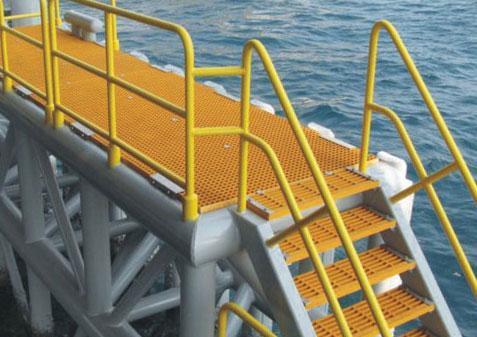
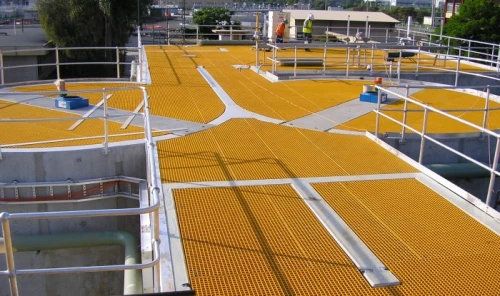
Galvanized Grating Floor
Hoa Binh Galvanized Grating Floor and Composite Floor: Comparison of Advantages
Introduction
Galvanized grating floors and composite floors are two popular types of flooring in modern construction and industry. Each has its own strengths and limitations, depending on the intended use and specific requirements of each project. In this article, we will compare Hoa Binh galvanized grating flooring with composite flooring to help readers better understand these two options and make the right decision for their projects.
I. Hoa Binh Galvanized Grating Floor
1.1 Definition and Structure
A galvanized grating floor is made from steel bars arranged horizontally and vertically, connected by welding or pressing to form a strong grid structure. After forming, the grating is galvanized to increase durability and corrosion resistance.
1.2 Advantages of Hoa Binh Galvanized Grating Floor
1.2.1 High Durability
Galvanized grating flooring has high durability thanks to its steel material and zinc coating. Steel provides excellent strength, allowing the grating to bear heavy loads without deformation. The zinc coating protects the surface from environmental impacts such as moisture, chemicals, and other corrosive factors.
1.2.2 Excellent Load-Bearing Capacity
With its grid structure, galvanized grating distributes weight evenly across the surface, enhancing its load-bearing capacity. This makes it an ideal choice for areas that require high load resistance, such as factories, docks, and other industrial zones.
1.2.3 Easy Installation and Maintenance
Galvanized grating flooring is designed for easy installation and removal. The panels can be cut and adjusted to specific project requirements. Maintenance is also simple — regular cleaning and inspection of weld joints ensure continued safety.
1.2.4 Good Ventilation and Drainage
Thanks to its open grid design, galvanized grating allows air and water to flow through easily, reducing moisture buildup and slipperiness on the floor surface. This feature is essential in places like factories, emergency stairs, and industrial zones where safety is a priority.
1.3 Disadvantages of Hoa Binh Galvanized Grating Floor
1.3.1 High Initial Cost
Although galvanized grating offers many advantages, its initial manufacturing and installation costs can be higher than some other flooring types. This may require careful budgeting and planning before use.
1.3.2 Heavy Weight
Steel is a heavy material, making galvanized grating floors relatively heavy. This can pose challenges in transportation and installation, particularly in areas with difficult terrain or limited space.
II. Composite Floor
2.1 Definition and Structure
A composite floor is made from synthetic materials such as resin combined with fiberglass or carbon fibers. These components create a material that is lightweight, strong, and highly resistant to corrosion.
2.2 Advantages of Composite Floor
2.2.1 Lightweight
One of the main advantages of composite flooring is its much lighter weight compared to galvanized grating. This feature simplifies transport and installation, reducing both costs and construction time.
2.2.2 Excellent Corrosion Resistance
Composite flooring provides exceptional corrosion resistance because the synthetic materials are unaffected by chemicals, seawater, and harsh environmental conditions. This makes composite floors ideal for coastal areas or environments with high humidity and chemical exposure.
2.2.3 High Durability and Longevity
Despite being lightweight, composite flooring offers excellent durability and a long service life. The fiberglass or carbon fibers enhance strength and impact resistance, ensuring long-term reliability.
2.2.4 Easy to Shape and Install
Composite flooring can be molded into various shapes and sizes to suit project requirements. This flexibility supports complex designs and allows for customized flooring solutions for different structures.
2.3 Disadvantages of Composite Floor
2.3.1 High Material Cost
Composite flooring often costs more than galvanized grating due to its complex manufacturing process and high-quality materials. Therefore, the initial investment for composite floors may be higher.
2.3.2 Limited Heat Resistance
Composite flooring may be affected by high temperatures, potentially leading to deformation or damage. This limits its use in environments that require high heat resistance.
III. Comparison Between Hoa Binh Galvanized Grating and Composite Floors
3.1 Durability and Load Capacity
Both galvanized grating and composite flooring are durable and have good load-bearing capacity, but they are suited to different environments. Galvanized grating is ideal for heavy industrial areas and high-load applications, while composite flooring is better suited for lightweight structures and corrosion-prone areas.
3.2 Corrosion Resistance
Composite flooring offers superior corrosion resistance compared to galvanized grating, especially in chemical or humid environments. While galvanized grating provides some corrosion protection due to its zinc coating, it cannot match the performance of composite materials.
3.3 Cost
Galvanized grating generally has a lower initial cost than composite flooring. However, composite flooring may have lower maintenance costs over time due to its durability and corrosion resistance.
3.4 Weight and Installation
Composite flooring is lighter and easier to install than galvanized grating. This reduces installation time and cost, particularly for projects requiring mobility or complex installations.
3.5 Specific Applications
Galvanized grating is commonly used in heavy industrial areas, factories, docks, and other load-intensive environments. Composite flooring is ideal for coastal projects, chemical facilities, and lightweight structures requiring high corrosion resistance.
Conclusion
Both Hoa Binh galvanized grating floors and composite floors have distinct advantages and disadvantages suited to different conditions and requirements. Hoa Binh galvanized grating is an excellent choice for heavy-duty industrial applications requiring high strength and load capacity. Meanwhile, composite flooring is perfect for harsh environments and lightweight designs thanks to its corrosion resistance and versatility.