No. 69 Tan Lap, Tan Lap Quarter, Dong Hoa Ward, Di An City, Binh Duong, Vietnam

Cast Iron Manhole Cover

I. Introduction to Composite Trash Screens

A. Definition and Function - Introduction to the concept of composite trash screens and their role in preventing waste from entering the environment.

B. Benefits and Applications - Analysis of the benefits of using trash screens, as well as practical applications in environmental protection and urban space improvement.

II. Advantages of Hoa Binh Composite Trash Screens

A. Durability and Environmental Resistance - Presentation of the endurance and lifespan of composite trash screens, especially in harsh environmental conditions.

B. Flexible Design and Easy Installation - Description of the flexibility in design and the convenience of installation of this product.

C. Corrosion Resistance and Adaptability to Diverse Weather Conditions - Emphasis on the ability to resist corrosion and withstand weather factors such as sun, rain, and wind.

D. Compatibility with Modern Waste Treatment Technologies - Discussion on the integration of composite trash screens with modern waste treatment technologies, forming a comprehensive environmental protection system.

III. Production Process of Composite Trash Screens

A. Materials and Manufacturing Technology - Description of materials and the production process, including advanced technologies used.

B. Quality Control and Standards Assurance - Discussion of quality inspection procedures and measures to ensure compliance with national and international quality standards.

IV. Applications of Composite Trash Screens

A. On Roads and Public Areas - Used to prevent waste from vehicles and pedestrians on roads and in public areas.

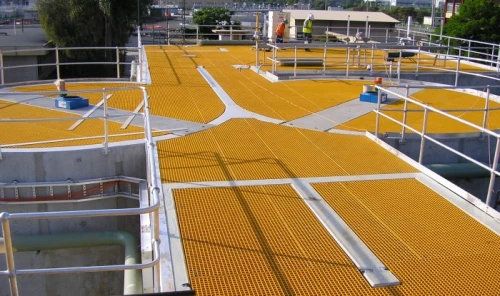
B. In Industrial and Manufacturing Zones - Applied to protect the environment around production and industrial areas, minimizing pollution from manufacturing processes.

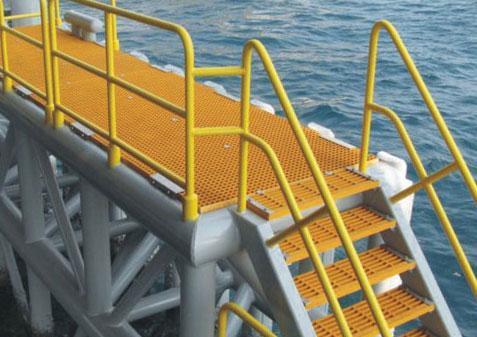
C. In Factory Premises, Seaports, and Airports - Used to protect the environment around factories, seaports, and airports, keeping surrounding spaces clean and safe.

V. Importance of Using Composite Trash Screens

A. Environmental and Clean Water Protection - Emphasis on the vital role of trash screens in protecting the environment and clean water sources.

B. Reducing Environmental Pollution Risks and Harm to Humans - Discussion of the positive impacts of using composite trash screens in reducing environmental pollution risks and potential harm to humans.

C. Contributing to Building a Sustainable and Green Community - Presenting the importance of building a sustainable and clean community through the use of this product.

VI. Hoa Binh’s Role in Producing Composite Trash Screens

A. Commitment to Product Quality and Performance - Description of Hoa Binh’s commitment to the quality and performance of its products.

B. Mission of Environmental Protection and Sustainable Development - Outline of Hoa Binh’s mission in protecting the environment and contributing to the community’s sustainable development.

VII. Conclusion

  • Summary of the significance and importance of using Hoa Binh composite trash screens in protecting the environment and building a sustainable community. It also emphasizes the crucial role of applying advanced technology and quality manufacturing processes to ensure the product’s performance and reliability. Finally, it concludes with a call to support and promote environmental protection solutions and the use of high-tech products such as Hoa Binh composite trash screens to contribute to the sustainable development of our society and living environment.