

Learn about Composite Flooring
Currently, composite flooring is increasingly becoming a popular choice in the construction industry, especially in projects that require sustainability and high durability features.
However, not everyone fully understands this type of material and whether it is truly suitable for their needs.
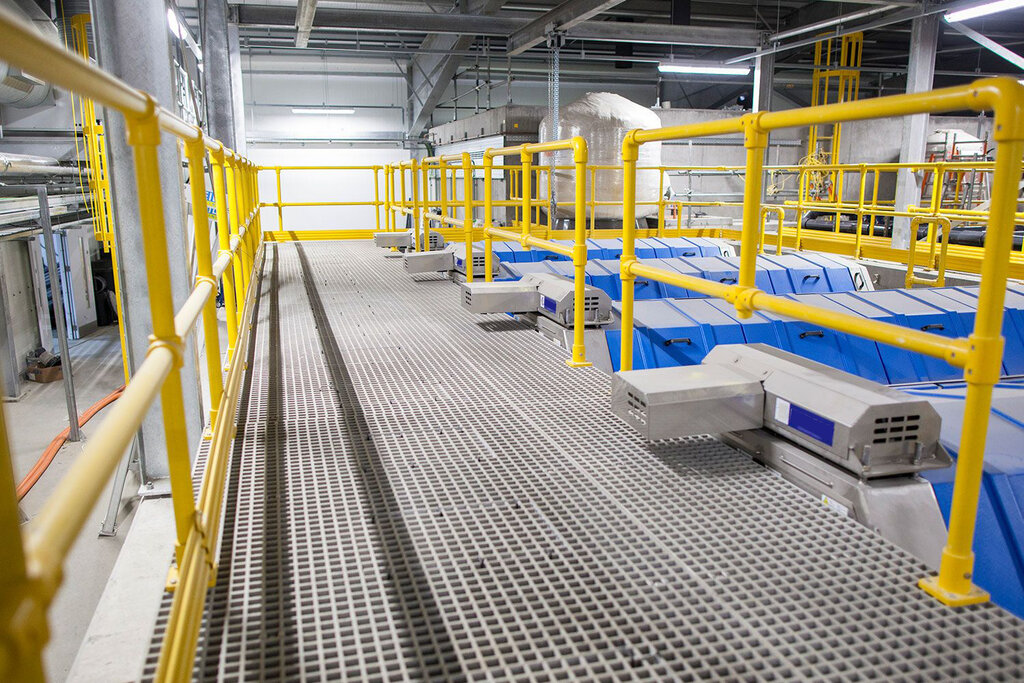
The article below from Hoà Bình Construction will help answer your questions about composite flooring, as well as provide useful knowledge about this product line.
1. What is composite flooring?
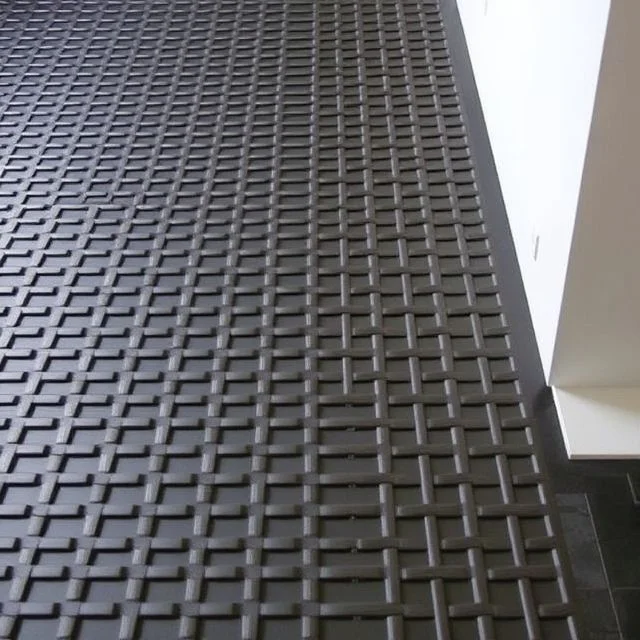
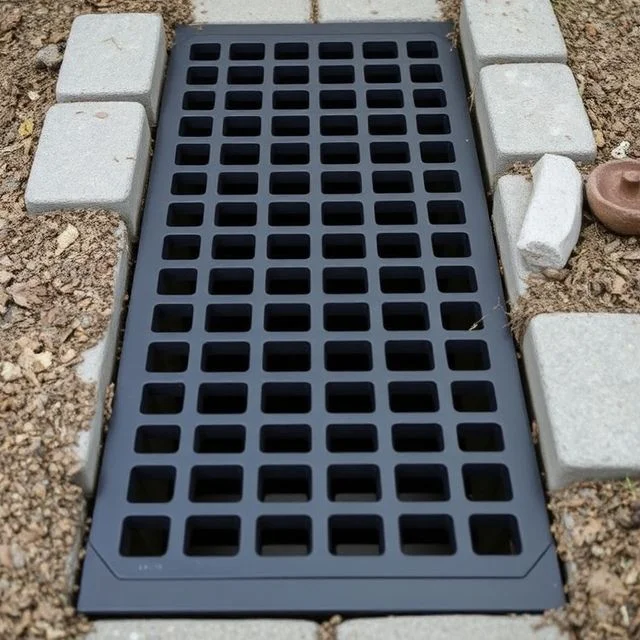
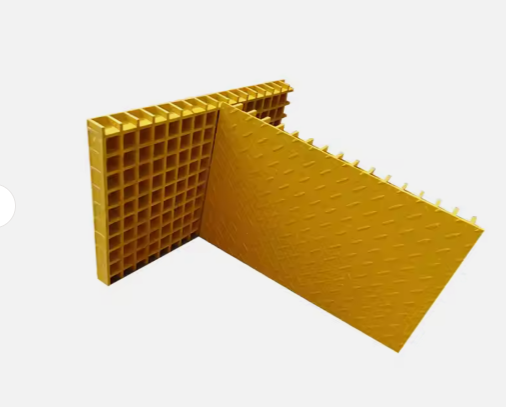
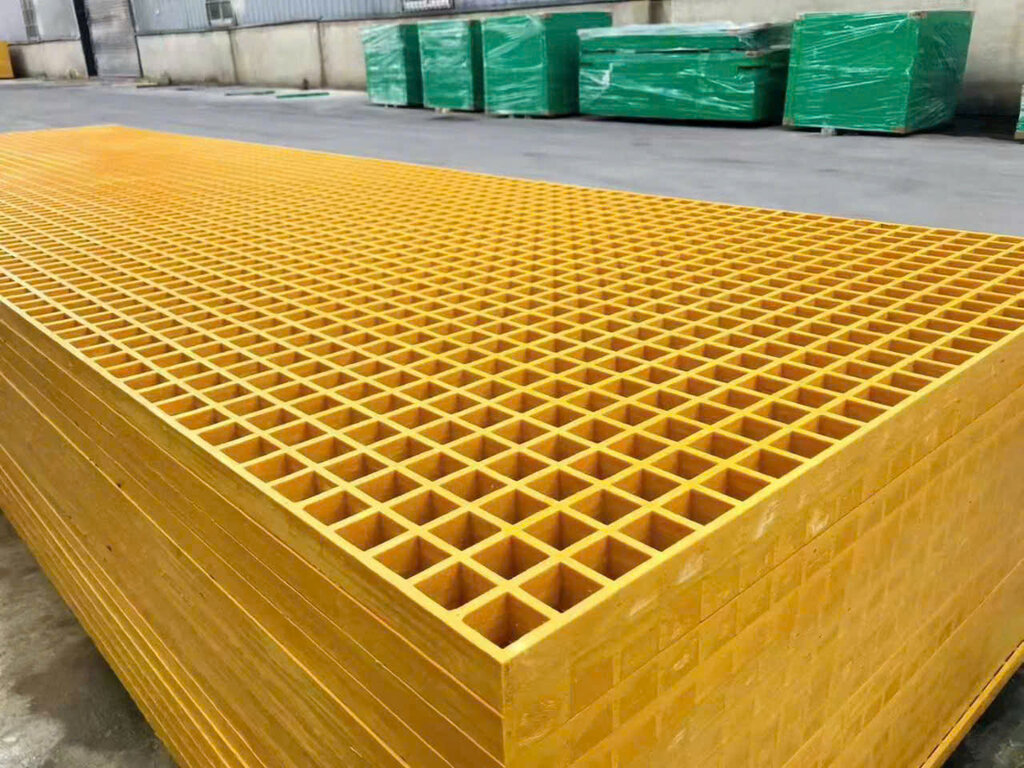
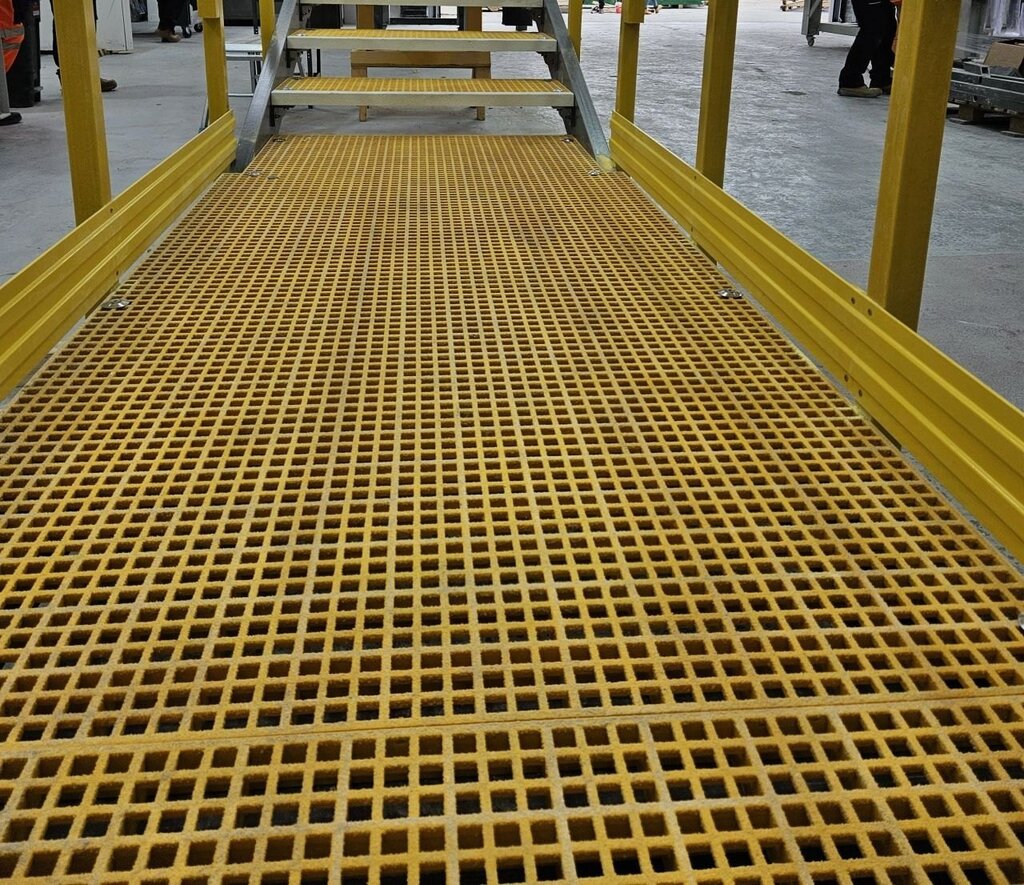
You can understand that composite flooring is a type of floor made from composite materials, primarily a combination of plastic and fiberglass (FRP - Fiberglass Reinforced Plastic).
The fiberglass fibers enhance the strength and flexibility of the floor, while the plastic makes the floor resistant to corrosion and capable of withstanding strong environmental impacts.
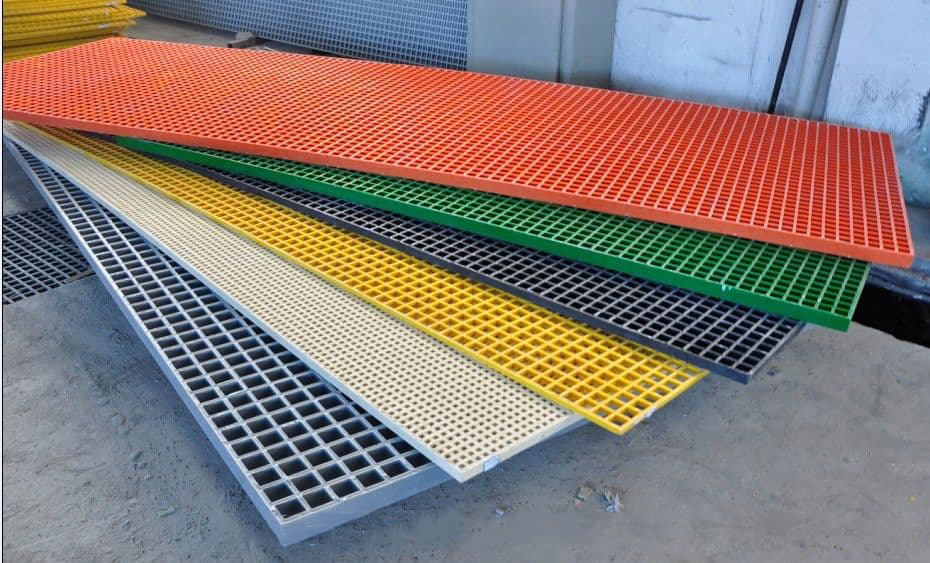
FRP composite flooring is widely used in industrial works, factories, docks, and even in civil constructions due to its superior characteristics.
One of the standout advantages of composite flooring is its resistance to corrosion from chemicals, water, and other environmental factors. Therefore, this type of floor is especially suitable for areas with high humidity or direct exposure to chemicals.
2. Advantages of using composite flooring
- Outstanding durability: Composite flooring has superior resistance to corrosion, withstanding environmental impacts such as humidity, water, chemicals, and other harsh factors. It is suitable for industrial projects or outdoor areas.
- Good load-bearing capacity: Composite flooring has high load-bearing capacity, making it suitable for projects that require heavy loads such as factories, warehouses, and areas with many heavy equipment, ensuring the stability of the structure.
- Easy installation: With its lightweight, composite flooring is easy to transport and install. The installation process is quick, saving time and costs while minimizing issues during construction.
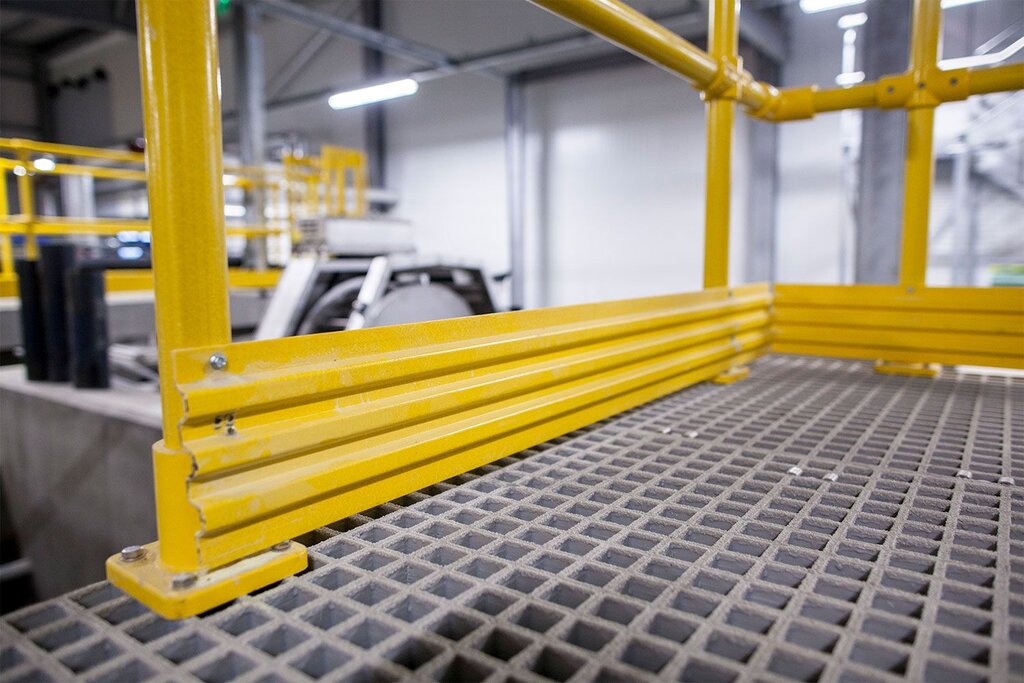
- Effective anti-slip properties: Composite flooring has excellent anti-slip features, reducing the risk of accidents in areas such as factories, warehouses, or places with high humidity, ensuring safety for users.
- Long lifespan: Composite flooring has a long lifespan, requiring little maintenance or repairs, helping save on replacement and upkeep costs throughout its use.
3. Some limitations of using composite flooring
Although it has many outstanding advantages, FRP composite flooring also has some limitations during use. Some of the notable ones include:
- High cost: Although composite flooring has many superior advantages, its cost is still relatively high compared to other traditional materials. This is a factor to consider for projects with limited budgets.
- Poor heat resistance: While composite flooring has good heat resistance, it cannot compare to materials like bricks or concrete. Therefore, its use should be carefully considered in high-temperature environments.
- Prone to scratching: Composite flooring is strong but not the best choice for areas that require frequent heavy material transport as it is prone to scratching.

4. Should you buy and use composite flooring?
Using composite flooring is a reasonable choice for many projects, especially in areas with harsh environments such as factories, warehouses, or areas exposed to chemicals, water, and high humidity.
With corrosion resistance, good load-bearing capacity, and high durability, FRP composite flooring helps reduce maintenance and replacement costs throughout its lifespan.
However, if you have a limited budget or require extreme heat resistance, this type of flooring may not be the optimal choice.
In conclusion, if your priorities are sustainability, safety, and low maintenance costs, FRP flooring is a worthwhile long-term investment for your project.
5. Things to note when buying and using composite flooring
Similar to any other type of flooring, when buying and installing composite flooring, you should pay attention to cost, supplier, and the appropriate type of flooring to choose the best product for your project.
- Choose a reputable supplier: Purchase composite flooring from well-known suppliers to ensure the quality and durability of the product.
- Choose the appropriate type of flooring: Select composite flooring that suits the usage needs and environmental conditions of the project.
- Proper installation: Follow the correct installation procedure to ensure the effectiveness and long-lasting durability of the floor.
- Regular maintenance: Although composite flooring is durable, regular maintenance and cleaning will help extend its lifespan.
- Note the costs: Composite flooring has a high initial investment cost, but with its durability and low maintenance needs, it is an effective long-term investment.
This is detailed information about composite flooring that we have shared with you. In conclusion, we hope this article from Hoà Bình Construction is helpful and helps you find the best composite flooring for your project.