


FRP Fiberglass Grating: 10 Durable, Lightweight Solutions for Industrial Applications
Question
Reply
FRP Fiberglass Grating is an essential innovation in the field of construction and industrial applications. This modern material provides a non-corrosive, lightweight, and high-strength alternative to traditional materials, particularly when compared to galvanized steel grating. In this article, we will explore the differences and similarities between FRP Fiberglass Grating and galvanized steel grating, presenting a comprehensive analysis supported by various subtopics relevant to this comparison.
FRP Fiberglass Grating
Fiberglass GratingGRating Composite Panel
Grating Composite panel is a composite material that integrates fiberglass with resin, creating a strong yet lightweight product. This type of grating is particularly advantageous for demanding environments where corrosion resistance is essential.
Properties of Grating Composite panel
The properties of FRP Fiberglass Grating make it an appealing choice for various industrial applications. The primary characteristics include high corrosion resistance, lightweight, and excellent tensile strength.
Due to its inherent resistance to corrosion, Grating Composite panel is ideal for use in chemical processing plants, wastewater treatment facilities, and anywhere moisture is a concern. Unlike galvanized steel, which tends to rust and degrade over time, fiberglass retains its integrity and looks new for years, contributing to lower maintenance costs.
In addition, the lightweight nature of FRP Grating makes it easier to handle and install compared to its heavier steel counterparts. This aspect reduces transportation costs and labor associated with installation. The high strength of FRP Fiberglass Grating also allows for thinner profiles without compromising load-bearing capabilities.
Applications of FRP Fiberglass Grating
The applications of FRP Fiberglass Grating span across various industries such as construction, pharmaceutical, and marine environments.
In construction, the grating serves as flooring, platforms, and stair treads in areas exposed to chemicals. The pharmaceutical industry utilizes it for clean rooms, ensuring that hygiene and cleanliness are maintained. Additionally, in marine applications, FRP Fiberglass Grating resists saltwater and provides slip-resistant surfaces, making it suitable for docks and service platforms.
Frp fiberglass grating

The term "frp fiberglass grating" refers specifically to the variety of grating products made from polyester or vinyl ester resins reinforced with fiberglass strands. This combination yields a material that is robust and versatile.
Composition of Frp fiberglass grating
The composition of frp fiberglass grating commonly consists of fiberglass strands woven together and embedded in a resin matrix. This composition results in a material that is not only lightweight but also durable.
The resin used can vary depending on the required application and environmental conditions. For example, vinyl ester resins offer superior corrosion resistance compared to traditional polyester resins, rendering frp fiberglass grating suitable for harsh chemical environments.
Furthermore, the manufacturing process of frp fiberglass grating includes pultrusion, which allows for the creation of custom shapes and sizes. This versatility in manufacturing means that various industries can find a grating solution tailored to their specific needs.
Advantages of Using Frp fiberglass grating
The advantages of utilizing frp fiberglass grating over traditional materials are numerous and noteworthy.
First, its lightweight properties contribute to ease of installation, reducing associated labor costs. Second, the material's resistance to corrosion ensures a longer lifespan, which translates into cost savings over time. Moreover, frp fiberglass grating provides safety features such as slip resistance, making it ideal for high-traffic locations.
In conclusion, the benefits of using frp fiberglass grating extend beyond mere physical attributes; they also encompass economic and safety enhancements that cultivate a better working environment.
Frp grating fiberglass reinforced plastic
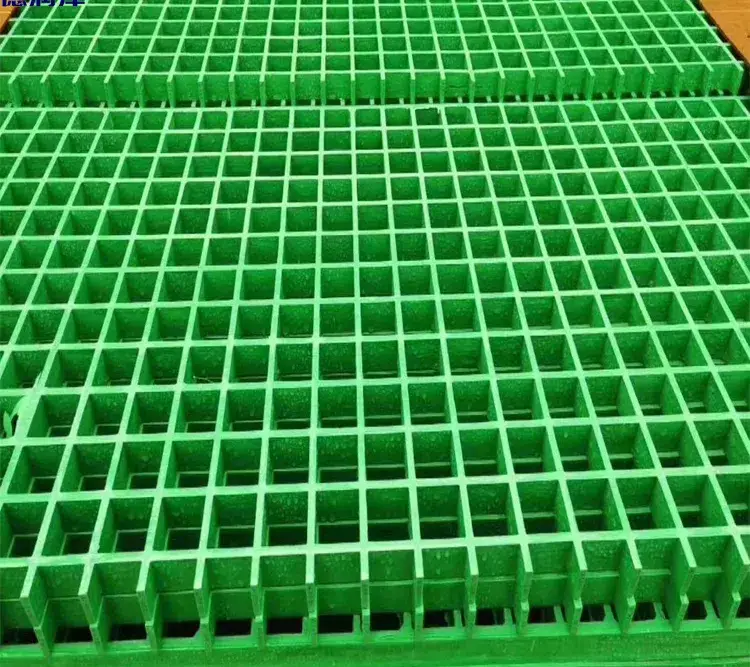
Frp grating fiberglass reinforced plastic is an alternative way to describe the engineered grating system designed to leverage the strength of fiberglass and the flexibility of plastic resins.
Technical specifications of Frp grating fiberglass reinforced plastic
The technical specifications of frp grating fiberglass reinforced plastic include its density, load-bearing capacity, and chemical resistance. Typically, the density of these gratings lies between 30-50% less than that of steel, which contributes to lower transportation and installation costs.
The load-bearing capacity is essential for ensuring that the grating can handle the expected weight in an industrial setting. It is crucial to assess the load rating based on usage to prevent structural failure and ensure safety. Fiberglass grating load rating differs based on the design and thickness of the material, which can be tailored to meet specific requirements.
Furthermore, frp grating fiberglass reinforced plastic shows excellent resistance to UV degradation and the ability to withstand extreme weather conditions, making it appropriate for outdoor applications.
Industry Standards for Frp grating fiberglass reinforced plastic
The industry standards for frp grating fiberglass reinforced plastic ensure the grating meets safety and performance criteria. Organizations such as ASTM International and ISO provide guidelines for testing and material performance, allowing consumers to select grating solutions that offer guarantees on quality and safety.
Compliance with these standards is crucial, particularly in industries where safety is paramount, like aerospace and concrete lining.
Fiberglass grating near me

Finding fiberglass grating near me can be challenging without sufficient resources or connections in the construction industry. Suppliers and manufacturers often sell directly to end-users or through localized distributors.
Online Resources for Locating Fiberglass Grating Near Me
Utilizing online resources, consumers can easily search for fiberglass grating near me using various query tools and supplier directories. This includes searching for local distributors, manufacturers, and even specialized retailers who stock grating products.
Reviews and testimonials found online can also aid in selecting a reputable supplier who specializes in frp fiberglass grating products. Many suppliers now maintain websites featuring comprehensive catalogs detailing various sizes and grades of available fiberglass gratings.
Importance of Local Suppliers for Fiberglass Grating
Local suppliers play a vital role by facilitating faster deliveries and personalized service. Proximity enables them to quickly respond to customer inquiries, provide expert recommendations, and offer on-time delivery services that may not be available from larger, national suppliers.
Trusting a local supplier for your fiberglass grating needs can also translate to cost reductions. Many suppliers are willing to negotiate pricing or offer bulk purchase discounts, which can save money in the long run.
How to cut fiberglass grating

How to cut fiberglass grating can be challenging if one isn’t familiar with the correct techniques and tools. Cutting fiberglass grating requires care to ensure a smooth finish and prevent chipping or damaging the material.
Tools Necessary for Cutting Fiberglass Grating
Having the right tools is crucial when undertaking the task of cutting fiberglass grating. Key tools include a jigsaw with fine-toothed blades, a circular saw with a carbide-tipped blade, and a Dremel tool for smaller cuts and intricate designs.
Before beginning the cutting process, wear protective gear, including gloves and safety goggles, to shield against glass fibers and dust. The selection of the proper blade is also vital for achieving a clean cut and maintaining the structural integrity of the grating.
Step-by-Step Guide on Cutting Fiberglass Grating
The procedure for cutting fiberglass grating should be systematic to ensure safety and accuracy.
- Begin by measuring the area to determine the required dimensions for the cut savings.
- Mark the cutting lines on the grating with a permanent marker to provide a clear guide.
- Secure the grating in place using clamps to prevent movement during the cutting process.
- Gently and steadily run the saw along the marked lines, applying moderate pressure to avoid cracking the material.
- Once cut, sand the edges carefully to remove any sharp bits and achieve a smoother finish.
Following these guidelines ensures a safer and more efficient cutting experience with fiberglass grating.
Fiberglass grating weight rating

Understanding the fiberglass grating weight rating is crucial for selecting the right material for your project. The weight rating often reflects the load-bearing capacity of the grating and is determined by several factors, including design, size, and spacing of support beams.
Factors Affecting Fiberglass Grating Weight Rating
The factors affecting weight rating include the thickness of the grating, the resin type used, and the width of the bearing bars. Thicker grating typically supports more weight, while wider bearing bars provide additional strength and stability.
It is essential to consult manufacturer specifications when determining the appropriate fiberglass grating weight rating for specific applications, as this data will guide engineers and project managers in making informed decisions.
Testing Methods for Fiberglass Grating Load Rating
Load ratings are typically established through standardized testing methods that simulate various loading conditions. Industry-standard tests assess factors such as deflection, failure loads, and durability, providing consumers with accurate and reliable data.
The importance of understanding the fiberglass grating load rating cannot be overstated. It not only ensures safety but also contributes to the longevity of the installation, minimizing replacement costs and downtime.
What is frp fiberglass
What is frp fiberglass is a frequently asked question that pertains to a specially engineered composite material boasting high strength, low weight, and exceptional resistance to corrosive elements.
Definition and Composition of FRP Fiberglass
FRP fiberglass, or fiberglass reinforced plastic, is a composite formed from a polymer matrix reinforced with fibers, mainly fiberglass, providing remarkable mechanical properties. The matrix typically consists of resins such as polyester, vinylester, or epoxy.
By incorporating fiberglass into plastic, the resulting material is versatile and used in a multitude of applications, such as automotive components, construction materials, and marine vessels.
Properties and Benefits of FRP Fiberglass
The properties of FRP fiberglass offer numerous advantages, including excellent tensile strength, resilience to harsh environmental conditions, and resistance to chemicals. This versatility extends the lifespan of various constructions, from walkways to industrial equipment.
Furthermore, FRP fiberglass products often highlight benefits such as lightweight characteristics, easy installation processes, and minimal maintenance needs, making them a preferred choice in many industries.
What is frp fiberglass


Repeating the question, what is frp fiberglass leads to the understanding that it is a pivotal construction material, primarily comprised of advanced composite techniques that enhance performance in numerous applications.
Historical Context of FRP Fiberglass
The development of FRP fiberglass has roots dating back to the mid-20th century when fiberglass emerged as a solution for various manufacturing needs. As industries evolved, so did the applications of FRP fiberglass, leading to its adoption across the globe.
Over the years, technological advancements have refined the applications of FRP fiberglass, allowing manufacturers to develop products that withstand the most challenging conditions while maintaining structural integrity.
Contemporary Uses of FRP Fiberglass
Today, FRP fiberglass is widely used across numerous sectors, including wastewater treatment, chemical processing, and marine applications. The demand for this material continues to grow as industries seek reliable, low-maintenance alternatives to traditional metals and plastics.
As urbanization progresses and sustainability becomes a priority, the use and application of FRP fiberglass will likely expand even further, enabling developments in both existing structures and future construction projects.
What is frp vs fiberglass

What is frp vs fiberglass often leads to confusion as both terms frequently appear interchangeably within industry contexts. Understanding their differences heightens awareness regarding material choice.
Defining FRP and Fiberglass
FRP, or fiberglass reinforced plastic, specifically refers to the composite material that combines plastic resins with reinforcing fibers. Fiberglass, on the other hand, is a generic term for the glass fibers themselves used in these composite materials.
It is crucial to emphasize that while all FRP products utilize fiberglass, not all fiberglass products are FRP. The key differentiator lies in the incorporation of resin, which enhances the composite material’s durability and performance characteristics.
Material Performance and Applications
The performance of FRP outshines traditional fiberglass due to the complete integration of fibers within a polymer matrix. This synergy results in enhanced mechanical performance, heat and chemical resistance, and overall longevity.
FRP vs fiberglass ultimately boils down to application suitability. Industries such as construction and manufacturing regularly select FRP for its enhanced performance in demanding settings, while standard fiberglass may cater to more general purposes in non-structural applications.
What is the difference between frp and fiberglass

When exploring what is the difference between frp and fiberglass, it’s essential to understand the distinct characteristics that make each material unique in terms of application and performance.
Material Construction Differences
The key difference lies in the construction of FRP and regular fiberglass. While fiberglass consists strictly of woven glass fibers, FRP integrates those fibers into a resin composite, enhancing mechanical properties and resilience.
This integration offers considerable advantages over standard fiberglass by providing additional support to the product, allowing it to withstand more significant loads and impacts. The ability to customize the resin type further influences performance characteristics such as thermal stability and chemical resistance.
Applicative Differences in Industry Use
Ultimately, the difference between frp and fiberglass can impact their selection in various projects. FRP finds its primary uses in applications where strength and durability are critical, such as in chemical processing plants or marine environments.
Conversely, traditional fiberglass may serve as an effective solution for lightweight and less corrosive environments, such as insulation purposes or decorative elements, illustrating a divergence in intended applications.
What is fiberglass reinforced plastic frp
What is fiberglass reinforced plastic frp stems from an innovative compositional structure that combines the attributes of fiberglass with the versatility of plastic materials, creating products with inherent strength and durability.
Composition Breakdown of Fiberglass Reinforced Plastic FRP
Fiberglass reinforced plastic (FRP) consists of optical fibers or strands embedded within a resin matrix. Various types of resins, including epoxy and vinylester, greatly impact the resultant material’s structural performance.
The combination of these materials results in an exceptionally durable product that resists corrosion, moisture, and chemical exposure, thus extending its lifespan in challenging environments.
Applications Zone for Fiberglass Reinforced Plastic FRP
Fiberglass reinforced plastic FRP is instrumental across many sectors, including construction, automotive, aerospace, and marine industries. Its robust characteristics enable the development of specialized components that must withstand extreme conditions while maintaining strength.
Moreover, industries are rapidly adopting FRP materials due to their lightweight and strong inherent properties, as well as their eco-friendly prospects and ease of recycling.
Is frp the same as fiberglass
The question of whether is frp the same as fiberglass often arises from a misunderstanding of the terms. While both materials share common fiber-based characteristics, they are distinctly different in terms of composition and application.
Structural Integrity and Composition
FRP incorporates fiberglass fibers embedded within a plastic matrix, significantly strengthening the resulting composite material. Standard fiberglass simply consists of glass fibers and lacks this polymeric embedding, which jeopardizes mechanical strength and resilience.
While fiberglass fibers are present in both materials, FRP represents an evolution that improves durability and performance, making it the preferred option in demanding applications.
Practical Applications in Industries
In practical terms, is frp the same as fiberglass can be contextualized by looking at usage. FRP is dramatically favored in environments with high moisture exposure, such as water treatment plants or places requiring corrosion resistance.
Conversely, fiberglass finds use in general manufacturing and construction, where extreme conditions are less of a concern and can simply offer reinforcement and insulation without the need for additional moisture protection.
Fiber reinforced plastic vs fiberglass
Distinguishing between fiber reinforced plastic vs fiberglass helps clarify the characteristics that set both materials apart in terms of applications and suitability for specific tasks.
Comparison of Mechanical and Thermal Properties
Fiber reinforced plastic refers to a broad category of materials made by combining plastic resins with reinforcing fibers. Fiberglass, in this context, is one variant where glass fibers provide reinforcement.
When comparing mechanical and thermal properties, fiber reinforced plastic provides broader structural performance capabilities, particularly concerning load-bearing and chemical resistance.
Specificity in Industrial Use
In various industrial applications, the choice between fiber reinforced plastic vs fiberglass is directed by the distinct demands of the project at hand. While fiberglass might suffice in lightweight structures, fiber reinforced plastic is known for its durability and structural integrity across demanding environments.
Selecting the right material is integral to the success of construction projects, ensuring adequate safety and performance standards are consistently met.
What kind of material is frp
Understanding what kind of material is frp is crucial for comprehending how this innovative solution extends its applications across multiple sectors while addressing specific engineering challenges.
Molecular Structure of FRP
FRP is defined as a composite material primarily composed of glass fibers and a plastic resin matrix. The structure is engineered to provide optimal strength-to-weight ratios, combining lightweight versatility with powerful mechanical properties.
The integration of these materials within a structured design allows FRP to withstand harsh environmental conditions while protecting against mechanical fatigue.
Uses of FRP in Various Industries
The application of FRP is diverse and spans various industries, ranging from construction to automotive. It finds frequent use in situations requiring significant strength, longevity, and resistance to environmental challenges.
FRP’s lightweight nature makes it particularly attractive for applications where excess weight would inhibit efficiency or effectiveness, allowing for real advancements in material uses.
Fiberglass grating weight rating
The fiberglass grating weight rating provides crucial information necessary for evaluating whether a particular grating would meet the demands of specific applications. An understanding of weight ratings can significantly influence project designs, safety evaluations, and overall operational efficiency.
Essential Factors Impacting Weight Ratings
Several determinants influence weight ratings for fiberglass grating, such as:
- Type of resin used (polyester, vinylester, or epoxy).
- Grating thickness and design.
- Bar spacing and load distribution characteristics.
These factors, when combined, outline how much weight the grating can bear while preventing deformation or failure.
Importance of Knowing Load Ratings
Knowledge of the fiberglass grating weight rating becomes essential for engineers and project managers to ensure safety and compliance with regulations. It is vital to select appropriate grating based on anticipated loads and usage scenarios, thus minimizing the risks of accidents and structural failures in industrial settings.
With accurate weight capacity ratings, projects can efficiently assess overall material feasibility while ensuring compliance with necessary safety standards.
Fiberglass grating load rating
The fiberglass grating load rating establishes a clear index measuring how much weight a particular grating design can support. It is a critical metric in determining the suitability of a specific grating for industrial needs.
Determining Factors for Grating Load Ratings
The load rating of fiberglass grating is typically determined by multiple factors, including:
- The height and thickness of the grating bars.
- The composition of the resins and fiberglass used.
- The spacing between the support beams or underlying structure.
By considering all these factors, manufacturers can generate precise load ratings that ensure safety and functionality for different project specifications.
Testing Standards for Grating Load Ratings
Standards and testing methods formulated by industry organizations guarantee the accuracy of load ratings for fiberglass grating. These measures are vital to ensure that the final product will perform effectively under operational stresses, thereby instilling confidence in engineers and contractors.
Such established guidelines ensure projects maintain steady compliance with safety regulations and minimize the risk of accidents arising from load failure.
Frp grating load rating
FRP grating load rating is a specific metric that indicates the amount of weight the grating can handle under various conditions. Accurate knowledge of this rating is essential for assessing material performance in real-world applications.
Specifications Impacting FRP Grating
Several specifications uniquely determine the load rating for FRP grating, including the resin type, thickness of the grating bars, and overall configuration, such as spacing and bar size. Resins such as vinylester offer greater resistance to harsh chemicals, thereby often leading to better longevity and performance standards.
The unique options available for customization within FRP grating manufacturing also allow engineers to select products that best fit their load requirements based on specific project conditions.
Importance of Compliance with Load Ratings
Knowing the FRP grating load rating ensures that engineering and design teams can confidently select materials that not only comply with building codes but also effectively support operational needs in various environments. Such compliance is paramount to ensuring safety, particularly in industries involving heavy machinery and extreme processing conditions.
Grp grating load rating
The grp grating load rating evaluates the heavy-duty applications of Glass Reinforced Plastic (GRP), which shares many properties with FRP but may contain variations in structure and intended usage.
Understanding the GRP Composition
GRP grating closely resembles FRP grating but may employ alternative resins or configurations. The basic principle remains the same, whereby fiberglass fibers are used in conjunction with a resin, promoting high strength and lightweight characteristics.
The versatility of GRP allows it to be used in environments where enhanced chemical resistance is critical, such as in wastewater or chemical processing facilities.
Evaluating Load Ratings for GRP Grating
Load ratings for GRP grating are established similarly to FRP ratings, based on extensive testing and optimization tailored to unfavorable conditions. Thorough examinations help ensure that the final product can meet performance requirements over extended periods while maintaining structural integrity.
Verifying load ratings is essential for ensuring safety and avoiding functionality issues that may arise from inaccurate assessments of load-bearing capabilities.
Frp grating weight capacity
The FRP grating weight capacity reflects the total load the grating structure can support without yield or failure, providing insight into its usability across various industrial applications.
Assessment of Weight Capacity
Evaluating FRP grating weight capacity involves determining numerous related aspects, such as the bar height, thickness, and overall design features, including load distribution. These specs enable engineers to ascertain how much pressure the grating can effectively withstand during use.
The actual weight capacity of the grating must align with expected usage demands to ensure consistent safety and stability throughout its lifetime.
Critical Role in Engineering Decisions
Knowing the FRP grating weight capacity is vital for engineers, allowing them to specify suitable materials that align with application requirements. Having accurate data on how much weight can be supported prevents catastrophic failures and fosters operational reliability within various settings.
Such understanding promotes effective design principles encompassing decommissioning protocols and strategic asset management in construction and manufacturing environments.
Fiberglass grating dimensions
The fiberglass grating dimensions pertain to the sizing specifications that reflect the physical attributes of grating products.
Standard Sizes of Fiberglass Grating
Standard dimensions for fiberglass grating encompass various thicknesses, widths, and lengths, allowing designers to select appropriate supports for specific scenarios. Common dimensions range from 1-inch to 2-inch thickness and span widths from 24 to 60 inches.
Customization options are frequently available as well, enabling projects to request tailored dimensions to meet unique environmental or spatial constraints.
The Essential Nature of Dimensions in Design
Understanding fiberglass grating dimensions is crucial for architects and engineers, as it influences load capacity, installation capabilities, and potential applications. Accurate dimension assessment significantly impacts safety standards, project efficiency, and material performance.
Standard and customized dimensions help ensure that selections align with operational requirements while addressing both aesthetic and practical needs.
FRP fiberglass grating
Revisiting FRP fiberglass grating, it is essential to highlight how its unique combination of materials fosters a high-performance outcome.
Synthesis of Fiberglass and FRP’s Role
FRP fiberglass grating combines the most functional elements of its components, including the lightweight nature of fiberglass and the structural efficacy of plastic resins. This blend results in a product that exhibits exceptional strength-to-weight ratios.
Through advanced manufacturing techniques, such as pultrusion, FRP fiberglass grating is precisely engineered to withstand the demands of various industrial applications while maintaining integrity over time.
Highlighting Its Versatile Uses
Applications for FRP fiberglass grating are commonly found in environments requiring high corrosion resistance, such as chemical and petrochemical processing plants. The unique properties of FRP make it an ideal candidate for environments where traditional metals would succumb to rust and deterioration more susceptible to damage.
By deploying FRP fiberglass grating, industries can optimize structural integrity, decrease lifecycle costs, and promote safer work environments.
Frp grating fiberglass reinforced plastic

The term frp grating fiberglass reinforced plastic encapsulates the dynamic fusion of fiberglass with an enhanced resin matrix, yielding extraordinary outcomes.
The Importance of Combining Materials
The integration of fiberglass fibers with other plastics enables the formation of composite materials that retain the individual benefits of each component while enhancing overall utility. The resulting structure maintains superior strength, flexibility, and corrosion resistance.
Frp grating fiberglass reinforced plastic applications are widespread across chemical processing, water treatment, and even food industries, where sterility and corrosion resistance are paramount.
Practical Applications and Benefits
Operational benefits associated with frp grating fiberglass reinforced plastic encompass long-term cost reductions related to minimal maintenance needs and improved safety in potentially hazardous environments.
The capacity for customization in both thickness and resin type makes this material particularly adaptable for varying industrial settings, providing tailored solutions that meet application-specific needs.
Fiberglass grating near me
Understanding where to find fiberglass grating near me can simplify your procurement process given the increasing demand for this versatile material across different sectors.
Largest Suppliers and Manufacturers
Many established suppliers can provide fiberglass grating, with sizable product catalogs exhibiting various sizes and resin types. Online directories, supplier websites, and industry catalogues greatly enhance the ability to find trusted local sources.
The search for fiberglass grating near you allows users to develop relationships with vendors who specialize in specific materials and applications, ensuring that future purchasing is efficient and effective.
Benefits of Using Local Suppliers
Utilizing local suppliers frequently results in faster service and access to personalized support tailored to specific project needs. Regional vendors can often provide insights into industry trends or recent developments, fostering ongoing relationships that yield mutual benefit.
Additionally, local sourcing minimizes shipping costs and delays while contributing to a more sustainable procurement strategy, demonstrating rising awareness in environmentally-conscious operations.
How to cut fiberglass grating
Once the potential has been identified in how to cut fiberglass grating, being familiar with cutting techniques and tools necessary ensures a streamlined process when preparing this versatile material for various applications.
Safety Precautions Before Cutting
Before embarking on the cutting journey, safety precautions must be taken into account. Personal protective equipment (PPE) is necessary to prevent injury or inhalation of glass particles, while workspaces should be cleared of hazards.
Recognizing the unique attributes of fiberglass—its tendency to produce slivers and dust—means preparing adequately will result in a more effective cutting experience.
Recommended Cutting Techniques and Tools
Using specialized tools—like jigsaws, circular saws, or Dremel tools—is crucial for achieving clean cuts. Proper blade selection, in conjunction with a steady hand, will yield effective results in shaping fiberglass grating for myriad applications.
Understanding and applying industry best practices while cutting will ensure optimal accuracy and result in minimal waste or damage to the material.
How to cut frp grating
Understanding how to cut frp grating involves precision use of selected tools and a significant level of care in applying techniques suited specifically to these materials.
Tool Selection for Cutting FRP Grating
The selection of appropriate tools is crucial for effectively cutting FRP grating. A fine-tooth saw or jigsaw can do the job, providing significant control over intricate cuts.
Equipping yourself with adequate personal protection gear—such as gloves and safety goggles—ensures safety when working with potential sharp or hazardous materials during the cutting process.
Step-by-Step Instructions
To ensure successful cuts, follow these steps:
- Measure and mark the grating accurately.
- Secure the piece using clamps to prevent movement.
- Utilize your chosen tool to begin cutting along marked lines slowly.
- Sand edges afterward to ensure no rough spots remain.
Adopting this systematic approach will yield professional results while ensuring the integrity of the FRP grating material remains intact.
Best way to cut fiberglass grating
The best way to cut fiberglass grating combines using the most effective techniques and methods to achieve optimal results with precision.
Recommended Tools and Techniques
For a safe and effective cutting experience, recommended tools include circular saws, jigsaws, or hand saws. When cutting, utilize fine-tooth blades that can efficiently slice through the grating without causing fraying or damage.
Wearing protective gear will minimize any risks associated with dust or debris generated during the cutting process, ensuring a safeguard for your health while operating cutting tools.
Tips for Achieving Clean Cuts
To ensure that cuts are precise and smooth, consider these helpful tips:
- Always mark your cutting lines accurately before beginning.
- Support the grating securely to avoid any shifts during the cutting process.
- Take your time during the cuts, applying steady pressure for consistency.
Following these best practices will result in effective and efficient cutting of fiberglass grating for all project needs.
How to cut thick fiberglass
When confronting how to cut thick fiberglass, it becomes essential to understand the specialized techniques and tools necessary for achieving quality cuts when dealing with robust materials.
Cutting Tools for Thick Fiberglass
For cutting thick fiberglass, using more robust tools—like a circular saw or jigsaw—becomes vital. These tools can offer improved power and control to manage the thicker material sustained in production settings.
Moreover, blades designed explicitly for fiberglass will ensure sharper cuts and minimize excessive friction that can lead to burning or damaging the material.
Step-by-Step Cutting Process
Begin by preparing the workspace and ensuring all safety precautions are taken. Use a measuring tape and marker to outline the cuts accurately, ensuring that you maintain a steady reference throughout the cutting process.
Once secured, employ your cutting tool with smooth, consistent motions to avoid causing any unnecessary friction. Finally, be sure to sand down edges to create a smooth finish once the cutting is complete.
By following these steps systematically, the results will produce accurately cut, usable pieces of thick fiberglass suited for final application.
Best way to cut frp grating
To discover the best way to cut frp grating, it’s essential to focus on technique, tool selection, and essential safety precautions that will streamline the process.
Equipment Selection for Cutting
When working with FRP grating, the best tools include oscillating saws or jigsaws equipped with fine-toothed blades to prevent fraying. The choice of quality blades should be specifically made to handle fiberglass composites effectively.
Choosing the right equipment while also wearing appropriate safety gear will create a safe workspace while ensuring efficiency when handling your materials.
Techniques to Achieve Quality Cuts
Taking time to follow these key techniques will deliver quality results:
- Begin by measuring and marking the desired cuts accurately.
- Secure the grating before commencement to maintain stability.
- Execute smooth and steady cutting motions along the designated lines.
Adhering to these procedures will produce superior quality cuts while ensuring enjoyment of the exceptional characteristics of FRP grating.
How to cut fiberglass cloth
When learning how to cut fiberglass cloth, refining your technique helps achieve smoother outcomes while effectively managing material size and shape.
Tools and Safety Gear Needed
Initiate the process with key cutting tools like scissors or rotary cutters that deliver clean, precise cuts. Additionally, understanding the importance of securing the workspace contributes to safer cutting practices.
Wearing gloves and protective eyewear will further shield you from particle exposure, ensuring a more efficient working process.
Stepwise Instructions for Effective Cuts
- Lay out the fiberglass cloth flat on a stable surface to prevent shifting.
- Use a measuring tape to determine and mark your desired dimensions.
- Utilizing straight edges and proper tools, cut along marked lines with steady movements.
- Store any leftover pieces in a safe environment for future use.
By adhering to these guidelines, cutting fiberglass cloth will seamlessly integrate into your project, ensuring you gain the greatest utility from your materials.
Frp grating near me
Searching for frp grating near me can result in accessing quality materials while benefiting from local suppliers.
Locating Reliable Suppliers
Numerous resources facilitate the search for FRP grating suppliers within a localized context. Utilizing supplier websites and databases can simplify this task, enabling efficient acquisition of necessary materials.
Connecting with local manufacturers can ensure exposure to burgeoning technologies, yielding suitable options across multiple industries while creating long-lasting relationships for future projects.
Advantages of Proximity
Buying locally permits quick delivery and personalized attention, ultimately saving costs associated with shipping while ensuring materials arrive as needed. Furthermore, local suppliers may offer expert consultation throughout the procurement process.
Taking advantage of regional vendors can create collaborative relationships while maintaining operational efficiency for ongoing projects.
Grp grating near me
Exploring grp grating near me becomes crucial to adequately securing the necessary materials for various industrial applications.
Where to Search for GRP Grating
Finding GRP grating locally requires searching reliable sources. Utilizing online search engines, vendor mappings, and directories can clarify nearby suppliers equipped to handle these specific materials.
Additionally, leveraging networking opportunities within the construction and building sectors can help identify established suppliers who maintain reputable inventories of GRP grating options.
Benefits of Sourcing Local GRP Suppliers
Opting for local GRP suppliers promotes faster access to materials alongside comprehensive support, ensuring projects align with their specific requirements. Proximity yields cost-saving advantages and faster response times.
Moreover, local suppliers can procure various materials, contributing to overall project sustainability by cutting down on transportation costs and emissions.
Fiberglass grating suppliers near me
When evaluating fiberglass grating suppliers near me, understanding the extensive fabricators available can optimize material selection.
Finding Local Suppliers
Conducting thorough research on online directories and regional business listings can yield a range of fiberglass grating providers nearby. Recommendations and reviews can further facilitate the decision-making process, ensuring only reliable partners are engaged.
Taking time to compare and assess the offerings of neighboring suppliers leads to finding the right fit tailored to specific operational needs.
Using Local Suppliers for Future Projects
Establishing relationships with local suppliers will positively impact future projects. Open lines of communication will foster ongoing support, enhancing collaborative efforts throughout project development.
Moreover, sustained collaboration can yield exciting innovations and efficiencies arising from firsthand experience with material capabilities, ultimately contributing to project success.
Fiberglass molded grating near me
The search for fiberglass molded grating near me is relevant for those interested in accessing specialty grating products designed for high performance.
Efficient Search Strategies
Being aware of various online databases and resource catalogues means users can leverage various providers to identify who stocks molded grating tailored to specific needs.
Utilization of trade shows and industry expos can offer valuable networking leads, helping connect suppliers and customers for customized solutions.
The Importance of Locality in Procurement
Using local suppliers for molded fiberglass grating can accelerate access and efficiency. Relationships built within the community lead to sustained support, vital for resolving issues or questions related to complex installations.
Stocking molded grating within close proximity ensures costs associated with transportation are minimized, allowing for potential savings to be reallocated toward project enhancements.
Fiberglass floor grating near me
Exploring fiberglass floor grating near me reveals solutions that address safety criteria in various applications.
Discovering Local Suppliers
Leveraging local suppliers via online searches can reveal those specializing in fiberglass floor grating, providing a range of suitable options for differing project specifications.
Engaging with industry contacts can also lead to resources efficient in obtaining quality floor grating products.
Value of Sourcing Locally
Procurement from local sources allows rapid responses to evolving project needs, benefitting from convenience and building solid partnerships with vendors. Efficiently streamlining acquisitions allows workflows to remain uninterrupted while maximizing safety and efficacy within the project.
Frp grating suppliers near me
Identifying frp grating suppliers near me emphasizes the need for local expertise and timely access to essential composites.
Local Connection Opportunities
By exploring local directories and supplier search platforms online, acquiring FRP grating from nearby suppliers enriches user experiences. Face-to-face contact can foster a collaborative approach to material selection and project planning.
Engaging with suppliers who possess a solid understanding of the marketplace ensures that company representatives can deliver tailored recommendations suitable for each client’s needs.
Ongoing Supplier Relationships
Establishing ongoing relationships with nearby FRP suppliers often benefits project stability while ensuring consistent material quality. Relying on local expertise supporting repeat business results in stronger partnerships leading to advantageous outcomes.
Increased accessibility leads to innovations collaboratively pursued, enhancing product offerings while minimizing obstacles frequently seen in supply chain disruptions.
Frp grating manufacturers near me
The quest for frp grating manufacturers near me can reveal high-quality producers proficient in delivering customized solutions.
Conducting Research on Local Manufacturers
Primary research for discovering FRP grating manufacturers can be achieved through online search engines, trade associations, and local registries cataloging available vendors.
Sourcing manufacturers specializing in fiberglass-reinforced components increases efficiency by providing clients tailored options aligned with specific requirements, enhancing project deliveries.
Collaborating with Local Manufacturers
Fostering connections with local manufacturers facilitates accurate communication channels, promoting collaboration based on project understanding and mutual objectives. Exploring opportunities together encourages the effective handling of logistics while providing technical support.
Ongoing partnerships created through local manufacturers yield beneficial workflows and efficiencies, making the collaborative journey advantageous for both parties.
Fiberglass grating for sale near me
When searching for fiberglass grating for sale near me, several avenues can be explored for accessible supply sources.
Identifying Local Retailers
Determining local retailers who stock fiberglass grating can be accomplished through localized internet searches or trade directory platforms. Personalized support can often simplify the acquisition processes if knowledgeable personnel assist.
Advantages of Local Purchase
Acquiring fiberglass grating locally streamlines access to materials while allowing flexibility in timelines when embarking on new projects. Coordinating logistics becomes simplified through timely communication, resulting in smoother workflows.
Moreover, recognizing local vendors showcases community involvement in sustaining regional economies while providing valuable resources to ensure project viability.
Grp grating panels near me
Seeking grp grating panels near me addresses needs for durable heavy-duty applications suitable across various industrial platforms.
Where to Discover GRP Panels
Inquiring about grp grating panels in local listings and online catalogs will yield multiple supplier options along with tailored resources best suited for specific projects.
Additionally, industry associations can help guide users in building relationships with trusted providers specializing in supplying grating panels unique to user specifications.
Collaboration Opportunities with Local Suppliers
Connecting with suppliers of grp grating panels encourages holistic teamwork, promoting efficiencies and enhanced product delivery. Maximizing local capabilities allows for innovation, ensuring the panels meet industry requirements while adapting to changes.
Leveraging local knowledge and expertise leads to sustained collaboration, ensuring projects fulfill design specifications efficiently.
Used fiberglass grating for sale near me
Finding used fiberglass grating for sale near me serves as an alternative approach for maximizing budget-friendly opportunities in material conversion.
Sourcing Used Grating
Exploration of local construction material networks or used equipment retailers can assist in acquiring pre-owned fiberglass grating options ideally suited for resource-constrained projects.
Engaging with regional fabricators and suppliers may also reveal refurbished options that meet quality specifications while benefiting those on a budgetary constraint.
Advantages and Disadvantages of Used Materials
Buying used fiberglass grating provides cost savings but necessitates a careful assessment to ensure that any employed materials maintain operational integrity. Whenever sourcing second-hand materials, it is beneficial to understand manufacturer reputabilities and past usages.
Thoroughly inspecting pre-owned grating will ensure that the materials align with current safety standards and leverage the proven performance benefits inherent in fiberglass grating.
What is fiberglass reinforced plastic
What is fiberglass reinforced plastic encompasses an array of advanced composite materials employing glass fibers embedded within a synthetic resin matrix.
Structural Profiling of Fiberglass Reinforced Plastic
Fiberglass reinforced plastic is produced by fusing layers of glass fibers with resin systems, which are then cured to create a highly adaptable composite. This results in a material with beneficial structural attributes that outperform traditional options, particularly in corrosive or harsh environments.
By utilizing such advanced material technology, benefits accrue in areas of cost efficiency, weight reduction, and overall durability.
Applications of Fiberglass Reinforced Plastic
The resultant material is employed in numerous industries—including manufacturing, aerospace, and construction—emphasizing fiberglass's role as a favorable composite alternative in generating lightweight but structurally sound solutions.
Its evolving applications highlight the progressive momentum driving innovations within performance frameworks previously not achievable between standard metals or plastics.
How to cut fiberglass reinforced plastic
Understanding how to cut fiberglass reinforced plastic clarifies effective methods for achieving quality results when working with this versatile material.
Key Equipment Requirements
Essential tools for this task typically include fine-toothed saws, jigsaws, and cutting knives designed to handle composite materials. Wearing appropriate protective gear will sufficiently safeguard operators while managing exposure to particulate debris.
Practical Steps for Effective Cutting
- Lay the fiberglass reinforced plastic sheet down securely to minimize movement.
- Measure and mark cut points accurately for precise execution.
- Cut with steady consistent pressure along designated lines, ensuring applying uniform torque.
- Smooth off any edges for enhanced safety and aesthetic appeal after cutting.
Following these structured approaches will lead to realizing effective cutting processes while leveraging quality outcomes from fiberglass reinforced plastic.
Conclusion
In summarizing the considerations between FRP fiberglass grating and galvanized steel grating, the benefits of corrosion resistance, lightweight properties, and structural integrity presented through advanced composite materials stand out significantly. The detailed exploration across various topics has illustrated how FRP fiberglass grating surpasses traditional materials in diverse applications, offering significant advantages in terms of safety, longevity, and cost-effectiveness. Understanding the cutting methods and localized availability fosters informed purchasing decisions while emphasizing the growing relevance of innovative materials like fiberglass reinforced plastic. The results underscore the importance of selecting suitable grating solutions tailored to specific industry needs while aligning with evolving standards to maximize workplace safety and operational efficiency.
Hoa Binh Group
Specializing in the nationwide production of COMPOSITE GRATING FLOORS – COMPOSITE MANHOLE COVERS – COMPOSITE DRAINAGE GRATES.
- Địa chỉ: No. 69 Tan Lap, Tan Lap Quarter, Dong Hoa Ward, Di An City, Binh Duong, Vietnam
- Văn phòng: No. 68, Tan Hien Street, Trang Dai District, Dong Nai
- Hotline: +84 936629323
- Email: Sale.export@globalfrpmanufacturer.com
- Business Registration Certificate No. 3703055512, issued by the Di An City Tax Department on April 28, 2022