

UV-Resistant Composite Panels – 10 Sustainable Solutions for Modern Construction
What Chemicals Can Composite Panels Resist?
One of the most important characteristics of composite panels is their chemical resistance, which directly affects their durability in demanding environments. Modern composite panels are designed to withstand exposure to a wide range of chemicals, including:
- Mild acids
- Alkalis
- Organic solvents
- Oils and greases
- Salts and saline environments
Depending on the required level of chemical resistance, composite panels can be classified as moderate-duty or high-performance chemical-resistant materials. These panels are widely used in industries such as:
- Food processing
- Healthcare and medical facilities
- Chemical manufacturing
- Automotive production
- Construction
- Interior and exterior architectural applications
Manufacturers often combine chemical resistance with corrosion protection and high mechanical strength, allowing composite panels to maintain long-term performance while minimizing maintenance and replacement costs. Choosing the right chemical-resistant composite panel can significantly improve the longevity and overall performance of a structure, especially in highly corrosive environments.
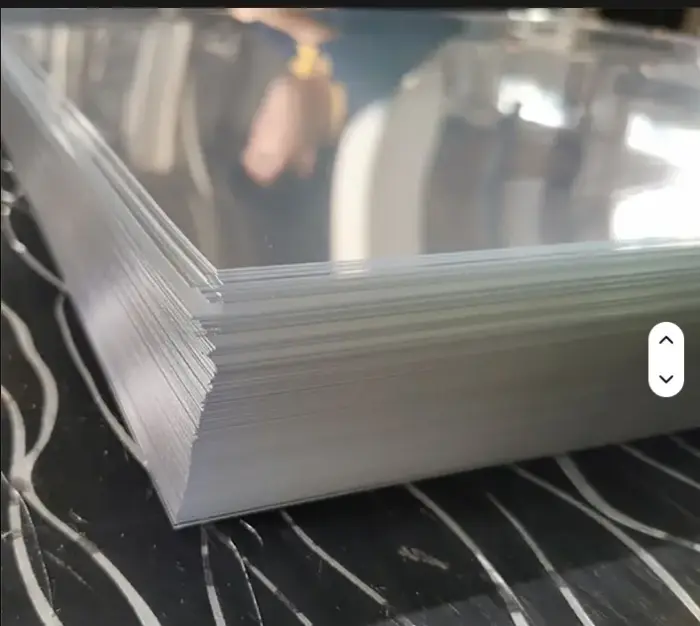
High-Quality Chemical-Resistant Composite Panels
The quality of a chemical-resistant composite panel directly impacts both the service life of the product and the efficiency of the structure or system in which it is installed.
While many manufacturers claim superior durability, quality is ultimately determined by testing, certification, and compliance with recognized industry standards. Products certified to international standards such as ASTM and EN specifications provide greater reliability and long-term performance.
High-quality chemical-resistant composite panels should also offer:
- Scratch resistance
- Easy fabrication and installation
- Low maintenance requirements
- Simple cleaning procedures
- Resistance to warping under temperature fluctuations and heavy loads
Carefully evaluating these factors helps ensure the selection of a product that delivers long-term value, cost savings, and seamless integration into modern construction projects.
What Are UV-Resistant Composite Panels?
UV-resistant composite panels are reinforced composite materials specifically engineered to withstand prolonged exposure to ultraviolet radiation from sunlight.
Thanks to their UV-protective coating, these panels retain their original appearance for years, preventing fading, discoloration, and surface deterioration even under continuous outdoor exposure.
Beyond superior UV resistance, these panels also provide:
- Excellent structural strength
- Scratch resistance
- Environmental friendliness
- Long service life
Today, UV-resistant composite panels are widely used in:
- Exterior architectural facades
- Outdoor cafés and restaurants
- Bar and entertainment venues
- Solar energy installations
- Artistic and decorative structures
Their combination of durability, aesthetics, and sustainability makes them an ideal solution for modern outdoor applications.
UV-Resistant Composite Panels – 9.84 ft Width
UV-resistant composite panels with a width of 9.84 ft (3 meters) are a popular standard size for large-scale projects requiring fast installation and reduced transportation costs.
Many manufacturers produce or import panels in this format to serve major construction applications, including:
- High-rise buildings
- Industrial facilities
- Commercial developments
- Exterior cladding systems
Available in a variety of colors, thicknesses, and surface finishes, these panels offer architects and contractors greater design flexibility. Advanced UV-coating technology helps prevent weather-related deformation and deterioration, preserving both appearance and structural integrity for many years.
UV400 Composite Panels
UV400 composite panels are engineered to block ultraviolet radiation up to 400 nanometers (nm), providing exceptional protection against harmful UV exposure.
The primary advantage of UV400 panels is their superior ability to withstand intense sunlight, making them ideal for projects located in regions with strong and prolonged solar exposure.
Common applications include:
- Building facades
- Landscape structures
- Outdoor cafés
- Showrooms
- Commercial outdoor spaces
- Recreational facilities
By reducing UV-related degradation, UV400 composite panels help lower maintenance costs while enhancing both the appearance and functionality of outdoor structures.
Conclusion
In modern construction, UV-resistant composite panels are no longer considered a luxury—they are an essential building material for maximizing structural longevity and maintaining visual appeal.
Their outstanding UV resistance, chemical resistance, and durability make them a valuable solution across a wide range of architectural and industrial applications. Whether selecting a panel based on chemical resistance requirements, overall quality, 9.84 ft-wide panel configurations, or advanced UV400 protection, choosing the right product can improve performance, reduce maintenance costs, and increase the long-term value of your project.
Investing in the right composite panel is an investment in sustainability, durability, and modern architectural excellence. We hope this guide provides valuable insight into the benefits and applications of UV-resistant composite panels for today's construction projects and future architectural developments.