

Professional Guide to Installing FRP Composite Grating Flooring
Step 1: Prepare the Support Structure
Before installation, inspect the support framework carefully.
Requirements:
- The support structure must be level and stable.
- Remove rust, oil, dirt, and debris from all surfaces.
- Ensure the support spacing meets the load-bearing design requirements.
Steel, stainless steel, or FRP structural supports can be used depending on the project environment.
Step 2: Measure and Cut the FRP Grating Panels
Accurate measurement is important for a perfect fit.
Cutting Recommendations:
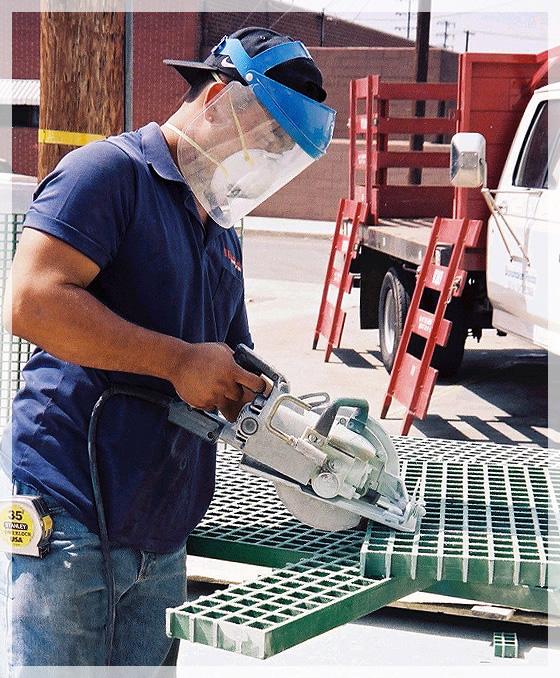
- Use a circular saw with a diamond or carbide-tipped blade.
- Always wear gloves, goggles, and dust masks during cutting.
- Seal all cut edges with resin to maintain corrosion resistance.
Proper edge sealing helps prevent moisture penetration and extends product lifespan.
Step 3: Position the Grating Panels
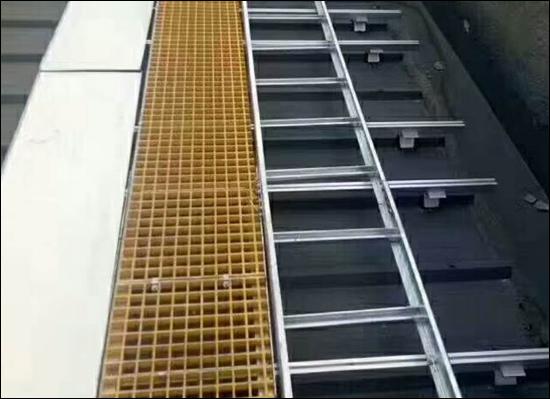
Place the grating panels onto the support beams carefully.
Installation Tips:
- Bearing bars should run perpendicular to the supports.
- Leave small expansion gaps between panels.
- Ensure panels are aligned evenly for a professional finish.
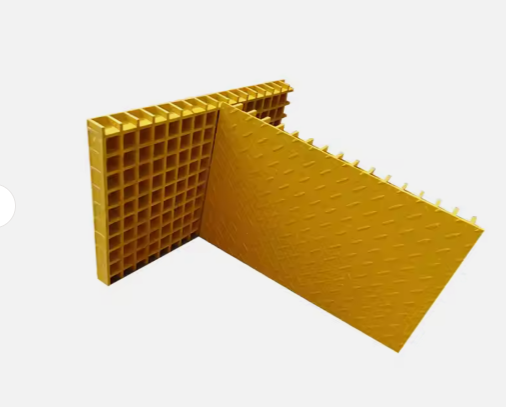
The lightweight design of FRP grating allows for quick and easy handling during installation.
Step 4: Secure the Panels with Fixing Clips
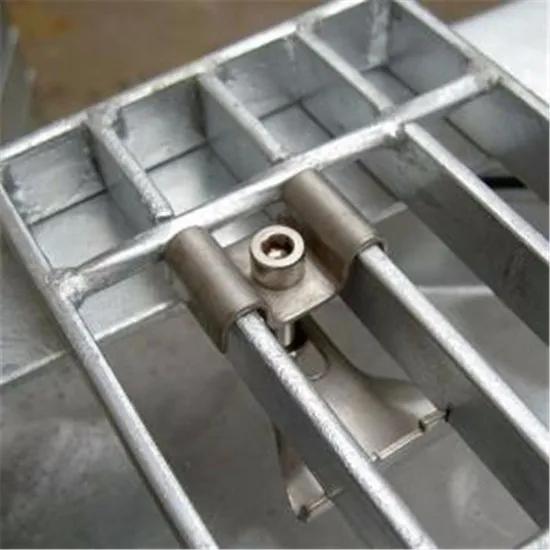
Use stainless steel clamps and fasteners to secure the grating.
Common Types of Clips:
- M Clips
- C Clips
- L Hold-Down Clips
Fastening Guidelines:
- Use at least four clips per panel.
- Tighten bolts evenly without excessive force.
- Ensure all panels are firmly secured to prevent movement.
Stainless steel accessories are recommended for maximum corrosion resistance.
Step 5: Final Inspection and Safety Check
After installation, perform a full inspection.
Final Checklist:
- All clips and bolts are tightened securely.
- Panels are stable and level.
- No sharp edges or loose components remain.
- Walking surfaces are clean and safe.
A proper final inspection helps ensure long-term safety and durability.
Benefits of Properly Installed FRP Grating
- Excellent corrosion resistance
- Lightweight and easy maintenance
- Non-slip surface improves worker safety
- Long service life in harsh environments
- Cost-effective installation and maintenance
-
Common Applications of FRP Composite Grating
FRP grating is widely used in:
- Chemical plants
- Wastewater treatment facilities
- Industrial walkways
- Cooling towers
- Marine environments
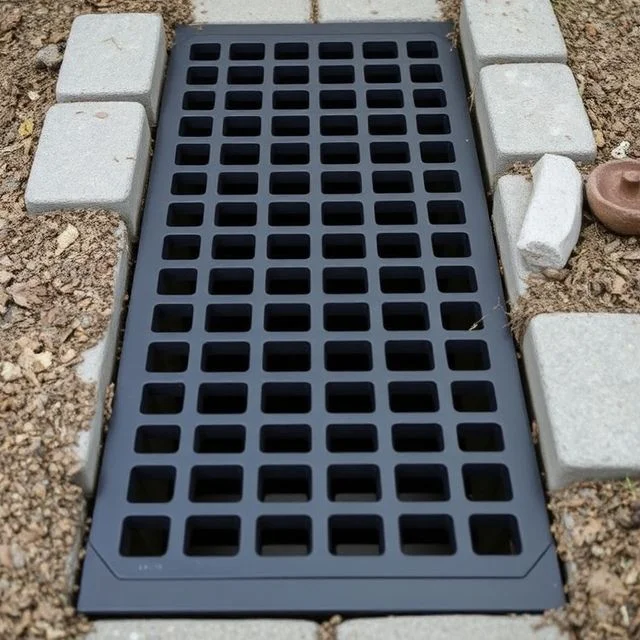
- Drainage trench covers
- Offshore platforms
Conclusion
FRP Composite Grating is an ideal solution for industrial flooring applications where durability, safety, and corrosion resistance are critical. Following the correct installation process ensures maximum performance, structural reliability, and long-term value for industrial projects worldwide.